
Order and Disorder Reverse
I ChingThis flow follows the paired movement from political harmony through blockage and back toward renewal, while resisting the idea of permanent stability.
increasing Bearing strength in each event
 decreasing
Bearing strength in each eventdecreasingPeace Brings the Great Near
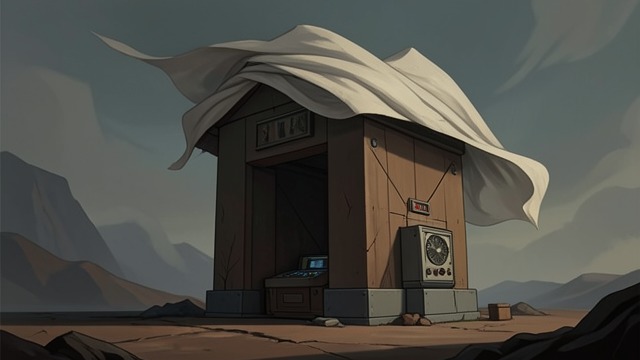
A Favorable Arrangement
Strength below, yielding above
Peace presents strong lines in the lower part of the figure and yielding lines above. Legge sees the arrangement as a condition in which active forces can move effectively.
The political image is one of communication and progress.
A seasonal turning
The hexagram is associated with the year's first month, when growth begins. Its success is therefore real but situated within a cycle rather than guaranteed forever.
The conflict between classes temporarily eases without disappearing from history.
Peace Carries Its Own Warning

Change Waits Inside Success
No quiet state is permanent
The third line says that every peace can be disturbed and every departure of evil may be followed by its return. Legge presents the warning as a fundamental insight into human affairs.
The subject need not despair, but must recognize the possibility of reversal.
Firmness extends good fortune
Correct conduct can prolong a favorable condition even when it cannot make it permanent. The line makes foresight part of enjoying success.
The conflict is latent, carried within the changing nature of political life.
The City Wall Falls
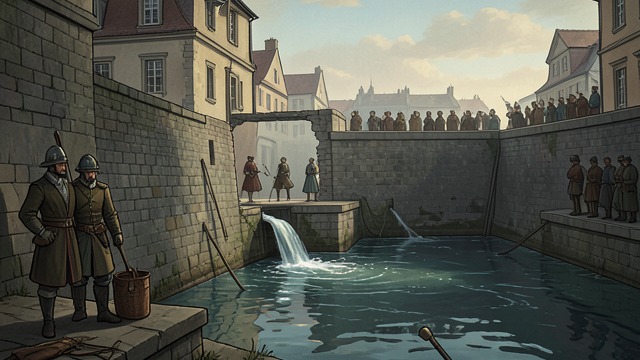
A Visible Reversal
The defenses collapse
The final line pictures a city wall returned to its moat. Legge interprets it as the end of the peaceful condition and warns that military action will not repair the underlying reversal.
A ruler may issue commands, but cannot restore a cycle by declaration alone.
Regret follows inaction and excess
The line suggests that a local announcement cannot prevent wider decline. Political authority must have prepared for change before the walls fail.
The image makes the end of peace tangible and public.
Obstruction Takes the Throne
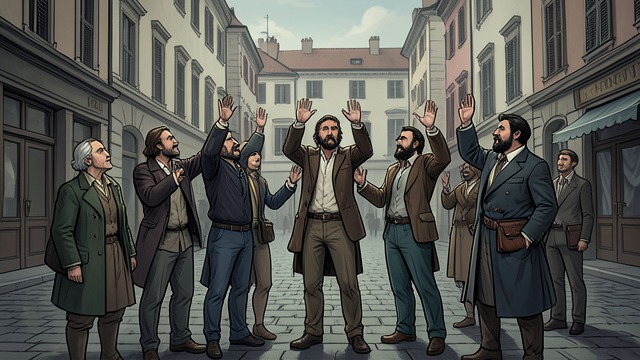
Communication Breaks Down
The order reverses
Obstruction presents the opposite arrangement to Peace. Legge describes a condition in which different classes of people lack understanding and the great have gone while the small have come.
The political structure no longer supports the movement of good influence.
Decline is not simple defeat
The first line still permits good fortune if its subject maintains correctness. Even in a harmful political condition, individual conduct can resist becoming part of the harm.
The conflict becomes a test of principle under adverse conditions.
Return Begins in Decline
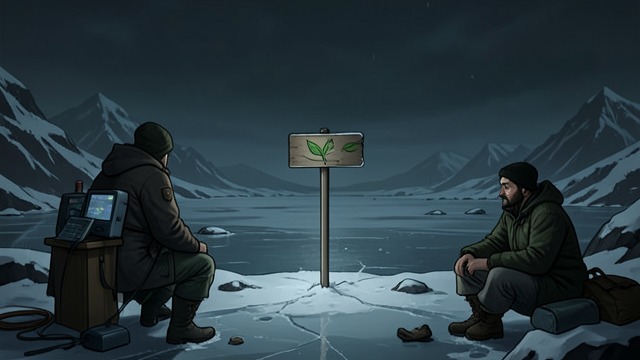
Renewal Starts Below
A single strong line returns
After the extreme decline represented by Splitting Apart and the all-yielding condition of Earth, a strong line appears again at the bottom. Legge connects this return with the winter solstice.
The first sign of renewal is small and must be protected.
A cycle, not a final victory
The new movement promises progress, yet it does not create an unchanging society. Legge says that political and natural conditions continue to pass into their opposites.
The sequence resolves the conflict by beginning another turn rather than abolishing change.
At the opening of Peace
At the third line of Peace
At the sixth line of Peace
At the opening of Obstruction
At the opening of Return
